The basic principle of authorisation
With direct debit, the recipient initiates the debit based on consent given by the payer. In a SEPA direct-debit arrangement, this consent is associated with a mandate. For an electricity bill, it supports payment management without manually entering all the information again each time.
Read who receives the authorisation, which electricity supply it covers and how it operates. A general label for recurring payment can describe different banking services. Ask whether the arrangement is a bill-based collection, recurring transfer or another service. Its name alone does not explain the conditions.
How it differs from a single or fixed recurring payment
For a single payment, you approve a particular instruction. With a recurring transfer, you may have specified a fixed amount and schedule. With bill-based direct debit, the amount can follow the bill and agreement. Confirm which model you are using.
If electricity consumption changes, a fixed amount you chose yourself does not demonstrate that every new bill is covered. Do not turn a variable bill into a fixed repeating transfer without official instructions. Also check how each execution will appear in banking history and the supplier’s customer account.
Set it up only through the official channel
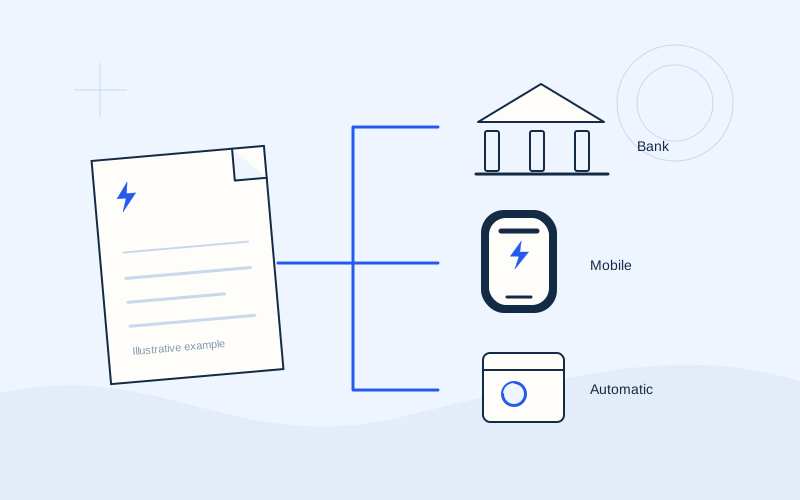
Follow the process described by your supplier and bank. It may involve an application, authorisation or confirmation in a specified environment. Check the supply, recipient and account associated with the service before completing setup. Keep the confirmation and conditions.
EPOS Electro does not receive activation requests and does not need your banking information. Do not send a password or approval code to someone offering to arrange it. Use official support for assistance and ask for an explanation of the procedure without disclosing credentials. The actual authorisation belongs with the responsible organisations.
Confirm the first bill covered
Before relying on automatic settlement, clarify when the arrangement becomes effective and whether it covers a bill already issued. Submitting an application is not necessarily the same as having an active service. Read the confirmation and ask for clarification if the first collection remains unclear.
If a single payment is required before activation, follow that instruction and retain the receipt. Avoid making a manual payment when automatic collection is already expected without checking first. The transition between methods is a point where a duplicate instruction can arise. Confirm the current bill rather than assuming all future settings apply immediately.
Continue checking amounts and available funds
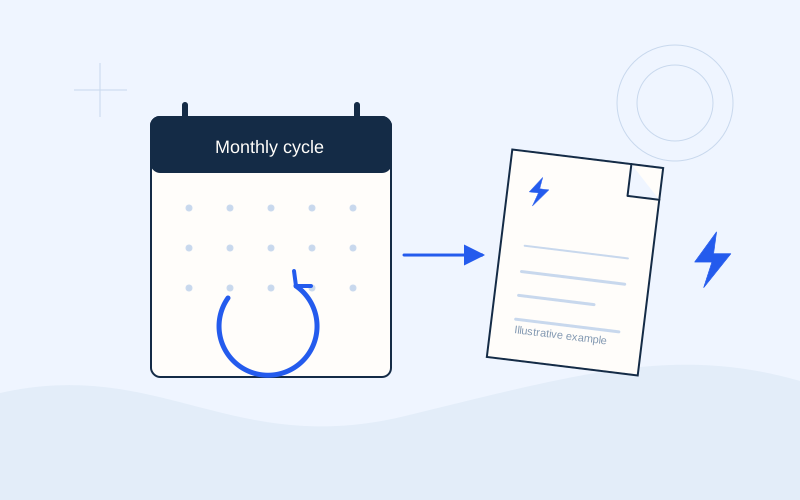
Read each new bill and information about collection. Check whether the amount concerns your supply and includes an earlier balance or correction. Automation does not demonstrate that every amount is correct. Ask the supplier about an unclear charge instead of ignoring it.
Maintain available funds according to the service’s requirements and monitor actual execution. If a collection does not happen, ask the bank or supplier what occurred and what action is needed. Do not assume there will be another automatic attempt or an extended deadline. Procedures vary and require confirmation for the particular arrangement.
Changes to an account, property or supplier
When changing bank accounts, check how to amend the authorisation and when the change takes effect. Do not close an account on the assumption that the service transfers automatically. Read the confirmation and establish which account will be debited for the next collection.
When moving or changing supplier, keep the previous supply, final balance and new service separate. An active arrangement for the old property does not necessarily cover the next one. Coordinate with the responsible organisations about outstanding amounts and dates so that conflicting instructions are not created. Check both sides of the transition.
Cancellation: check pending collections too
For a change or cancellation, use the process specified by the bank or supplier. Ask when it takes effect and what happens to instructions already initiated. Keep confirmation rather than relying only on an option disappearing from a screen.
Cancelling a payment arrangement does not erase a debt or by itself end the electricity contract. Organise future payment through another supported channel. For a disputed debit or refund request, ask the organisations that handled the transaction about applicable procedures. This article does not provide legal or financial guarantees concerning a particular collection.
Records that make monitoring easier
Keep the authorisation, activation confirmation, amount notifications and execution entries. Match each payment to the corresponding bill. This helps distinguish an activation issue from a particular collection or a payment allocation issue at the supplier.
When support is needed, provide only necessary details such as the relevant date and transaction reference. Conceal unrelated activity. Check periodically that the arrangement still covers the correct supply. Direct debit can simplify routine administration when accompanied by this basic review, rather than relying solely on the assumption that everything remains unchanged.
Frequently asked questions
Do I also need to pay manually?+
Do not decide without checking. Confirm whether the particular bill is covered by an active arrangement and a collection is expected. Ask for clear instructions about the first bill after applying.
What if sufficient funds are unavailable?+
Check the status and contact the bank or supplier. Do not assume another attempt will happen automatically or that the debt is settled. Follow the official instructions for the particular situation.
Does cancelling direct debit cancel the electricity bill?+
No. The payment method and the amount owed are separate matters. Confirm outstanding obligations with the supplier and organise another accepted payment channel if required.
Sources and further reading
Alpha Bank · Payments through official banking channelsEuropean Payments Council · SEPA Direct Debit mandatesExternal links. Checked: 06.10.2026.Found something that needs correcting? Write to [email protected].
EPOS Electro is an independent informational website operated by ActivePhones. We provide general information about electricity bills and common payment methods in Greece. EPOS Electro does not process payments and is not an electricity supplier, bank or government authority.