Supplier website
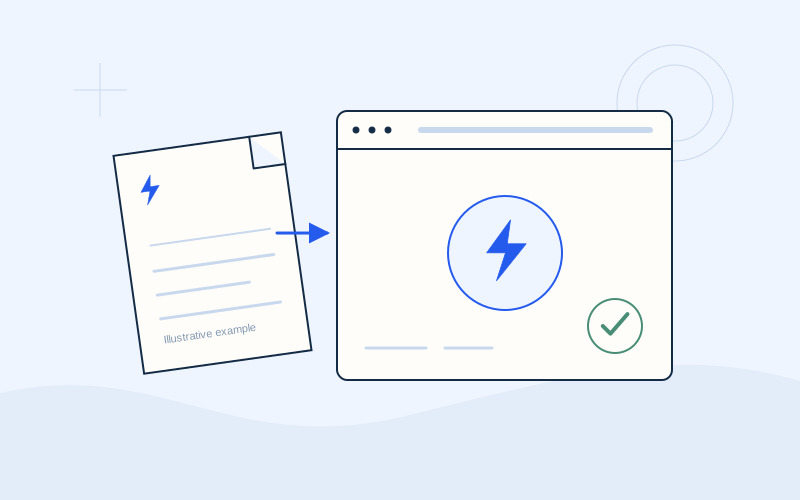
The official website may provide account information and a payment process where offered. There may be a customer-account login or a separate route for a single payment. Verify the actual address before entering information and read the current instructions.
This can be practical when you first want to see the supplier’s own information about your electricity account. Before proceeding, confirm which payment method the process accepts, whether a charge applies and where to obtain a receipt. Do not assume that every supplier website offers the same functionality.
Supplier app
Where an official app is available, it may bring bills and other customer services together. Locate it through the supplier’s official website or instructions and check its publisher. Payment features differ between apps.
This may suit people who regularly manage their supply from a phone. Even with a saved login, check which property is selected and whether the amount is current. If payment functionality is absent, displaying a bill in the app does not mean it can be settled there. Use the methods the supplier actually supports.
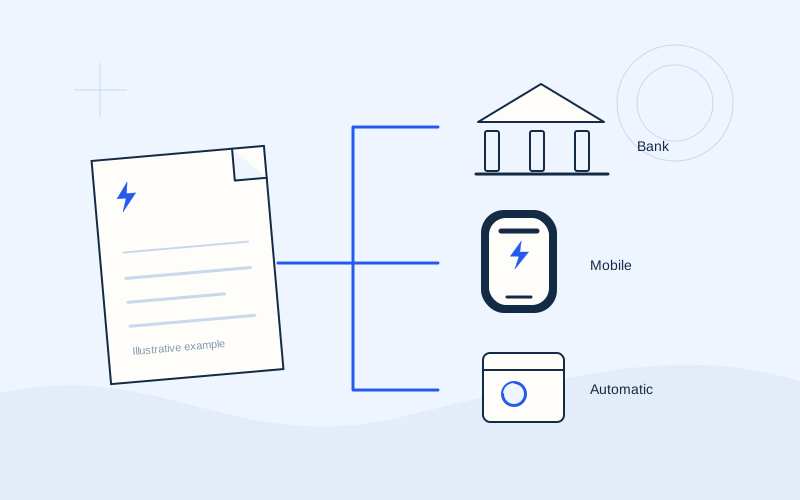
Online banking through your bank’s website
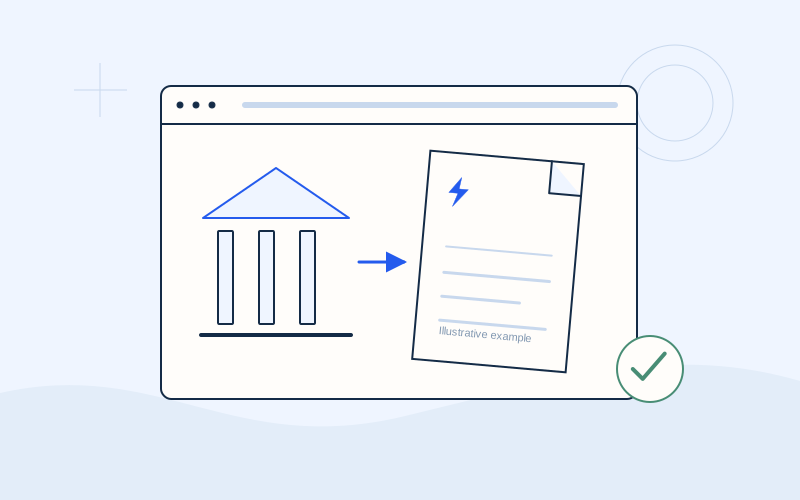
A supported bill payment begins inside the bank’s official environment. Select the recipient, debit account, reference and amount according to its instructions. Review the summary and complete the required approval process.
This may be convenient when you organise several bills together on a computer. A previously saved payment requires a fresh check of its amount and reference. Also check whether you are requesting immediate or future execution. Saving an instruction for later does not mean the bill is already settled. Read the transaction status after submitting it.
Mobile banking
The bank’s official app may support bill payments and reference scanning where offered. It is the banking channel on your phone and differs from a supplier app. Use the function corresponding to the correct organisation.
A small screen makes reading the complete summary particularly important. Check the amount, reference and date even when they were inserted automatically. Keep the official receipt or history entry. Do not approve an unexpected request for a transaction you did not initiate. Ask the bank if the available recipient or process is unclear.
Direct debit and recurring settlement
Direct debit is based on authorisation for payments under agreed conditions. It can reduce the need to enter a new instruction for each bill. The actual service arrangement and activation steps are described by the supplier and bank.
This may suit people who want recurring management and can monitor bill amounts and available funds. Before using it, confirm when it takes effect, how you will be informed about collections and how to change or cancel the arrangement. Do not assume a new application automatically covers a bill already issued.
Bank branch or another supported banking service
Where available, you can ask your bank about assistance with paying a bill. Confirm that it accepts the particular recipient, what documents are needed and which charges apply. Banking services are not identical across every bank or channel.
This route may help when you need someone to explain the procedure or do not use digital banking. Keep the receipt and check its details before leaving. Do not disclose personal online-banking credentials for another person to submit a payment on your behalf. Ask for the bank’s official process instead.
Physical service points recognised by the supplier
Some suppliers provide payment at specified service points. Use their updated list or support service to confirm availability. A location advertising bill payments does not necessarily support your supplier or the particular payment method you want.
Ask which means of payment are accepted, whether a charge applies and what receipt will be issued. Check that the transaction uses the correct amount and reference. For supplier account updates, follow the official information for that method instead of general estimates. Keep enough information to identify the service point and transaction if an enquiry becomes necessary.
How to compare without making assumptions
Compare the options actually available for your bill by access, requirements, disclosed charges and the ability to retain a receipt. There is no single method suitable for everyone. Familiarity with an app and the need for personal assistance are practical considerations too.
If you prefer reviewing each amount manually, consider single payments. If you want repetition, read the direct-debit terms and its monitoring requirements. Before changing channels, check whether an earlier instruction is still pending. Using a different method does not necessarily cancel a payment you have already scheduled.
- Is this method available for the specific supplier?
- Which amount and reference should I use?
- What does the channel say about charges and execution?
- Where can I check the final status and receipt?
Frequently asked questions
Which method is free?+
We do not provide a universal ranking of charges. Check the current tariff and the information displayed before approval in the particular channel. Conditions can differ between services and organisations.
Is a supplier app the same as mobile banking?+
No. The first serves the supplier’s customer functions, while mobile banking is a banking environment. Both may relate to the same electricity bill, but their procedures differ.
Can I choose a different method each time?+
Check the available options and whether a scheduled or automatic collection already exists. Changing channels without this check can create two instructions for the same bill.
Sources and further reading
Alpha Bank · Payments through official banking channelsExternal links. Checked: 06.10.2026.Found something that needs correcting? Write to [email protected].
EPOS Electro is an independent informational website operated by ActivePhones. We provide general information about electricity bills and common payment methods in Greece. EPOS Electro does not process payments and is not an electricity supplier, bank or government authority.