Prefer the final transaction receipt
After completion, look for the official channel’s download, save or print option. Where a PDF is available, retain the original file. An image captured before final approval may show only what you intended to submit. A message saying that an instruction was created can concern a payment scheduled for a later date rather than one already executed.
Read the status on the receipt and consult the transaction history when necessary. The document should identify the particular transaction rather than only a general thank-you screen. For a scheduled payment, keep the original instruction and the later execution record. Availability and document format differ between banks and suppliers, so use the features and explanations of your selected channel.
Check which details were retained
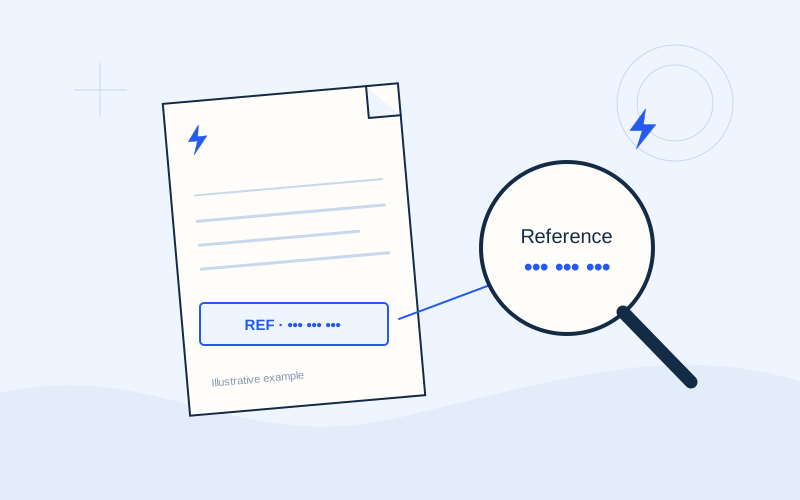
A useful receipt contains the information the channel provides about the date, amount, recipient, reference and transaction identifier. Check that the file opens and the text is readable. If a screen masks part of the reference, see whether the official download or history provides further detail. Do not add missing details yourself to make the document look complete.
Compare the amount and reference with the relevant electricity bill. If a service charge is displayed separately, preserve that distinction rather than assuming the entire bank movement was credited to the supplier. This guide does not specify transaction fees. Your chosen channel’s information determines what is recorded for your payment and how separate amounts are explained.
- Transaction date and status.
- Amount relating to settlement of the bill.
- Recipient or organisation shown.
- Payment reference and transaction identifier, where supplied.
- The invoice you intended to settle.
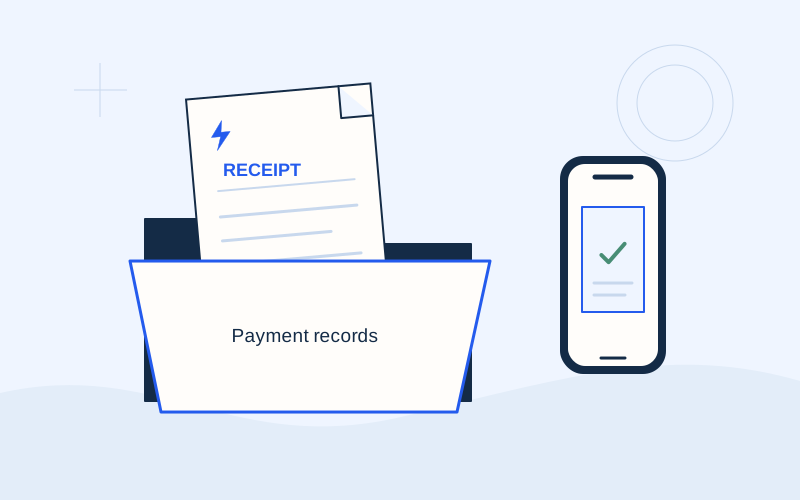
Keep the receipt beside the relevant bill
Create a folder for each electricity supply or property, with year folders if helpful. Keep the invoice and receipt together. A filename containing a date and short description is usually enough to locate them. Avoid putting full names, addresses or financial identifiers in filenames unless necessary, particularly if filenames appear in shared search results or notifications.
Hypothetical filing example: a folder labelled “Home A” contains the bill, receipt and a supplier response as separate files. The label is only an example and identifies no real customer. The useful feature is the connection between the documents. A later question can then be answered without searching several email accounts, messaging histories and download folders.
Preserve the original and a protected backup
Retain the original receipt as issued. If you want to add a note, use a separate file or personal record. Do not alter the amount, date or reference on the original document. Editing it can create confusion precisely when it is needed to show what happened. Distinguish your own explanation from the official transaction record.
Keep a backup on a device or storage service you control, with access restricted appropriately. Check that synchronised folders are not public or shared with people who do not need the document. For a paper receipt, a readable digital copy can provide a backup while you retain the paper when relevant. Periodically check that important files remain accessible and readable.
If you did not save it immediately
Start with the official history of the bank or channel used. Search by date, amount and organisation. Many services provide past transaction details, but download facilities and availability periods differ. If you cannot locate the transaction, ask the organisation’s actual support service for guidance. Avoid following unfamiliar recovery links sent after you mentioned a missing receipt publicly.
Do not create a homemade document resembling a bank receipt. You can record what you remember, but label it as a personal note. An official transaction record, an account movement and a screenshot do not always provide equivalent information. Ask the organisation investigating your question which document or fields it requires, then obtain the relevant record through the official service.
Share only the information required
Before sending a receipt, verify who requested it and the submission channel. For a real investigation, use official bank or supplier contact details. Public comments and unfamiliar support messages are unsuitable for documents containing personal information. Do not attach unrelated account movements merely because they happen to be on the same statement or screen.
If unrelated details need to be hidden in a sharing copy, first confirm that the required investigation fields will remain visible. Keep the original separately. A visual overlay on a PDF can leave the text recoverable, so use suitable redaction when making a copy. Never send PINs, one-time codes, passwords or recovery codes alongside a receipt. These are not needed to explain an ordinary payment record.
Choose retention according to your circumstances
Keep records while they are needed to monitor the account or resolve an open issue. Where a specific accounting, tax or legal obligation applies, obtain appropriate individual guidance. EPOS Electro does not prescribe a compulsory retention period for every user and does not provide legal or tax advice. A personal filing routine should not be mistaken for a rule covering all circumstances.
Once an issue is resolved, keep its final response with the receipt so the case remains understandable later. Review who can access the files and remove unnecessary copies from shared locations. EPOS Electro is an information website operated by ActivePhones. It does not store receipts on your behalf or process payments; the relevant official organisation handles questions about an actual transaction.
Frequently asked questions
Should I send the receipt to EPOS Electro?+
No. Direct a question about an actual transaction to the official bank or supplier channel.
Is a screenshot always sufficient?+
It depends on its information and the request. Prefer the official final download and ask what the investigating organisation needs.
Sources and further reading
Alpha Bank · Payments through official banking channelsPPC / ΔΕΗ · Understanding the electricity billExternal links. Checked: 06.10.2026.Found something that needs correcting? Write to [email protected].
EPOS Electro is an independent informational website operated by ActivePhones. We provide general information about electricity bills and common payment methods in Greece. EPOS Electro does not process payments and is not an electricity supplier, bank or government authority.